
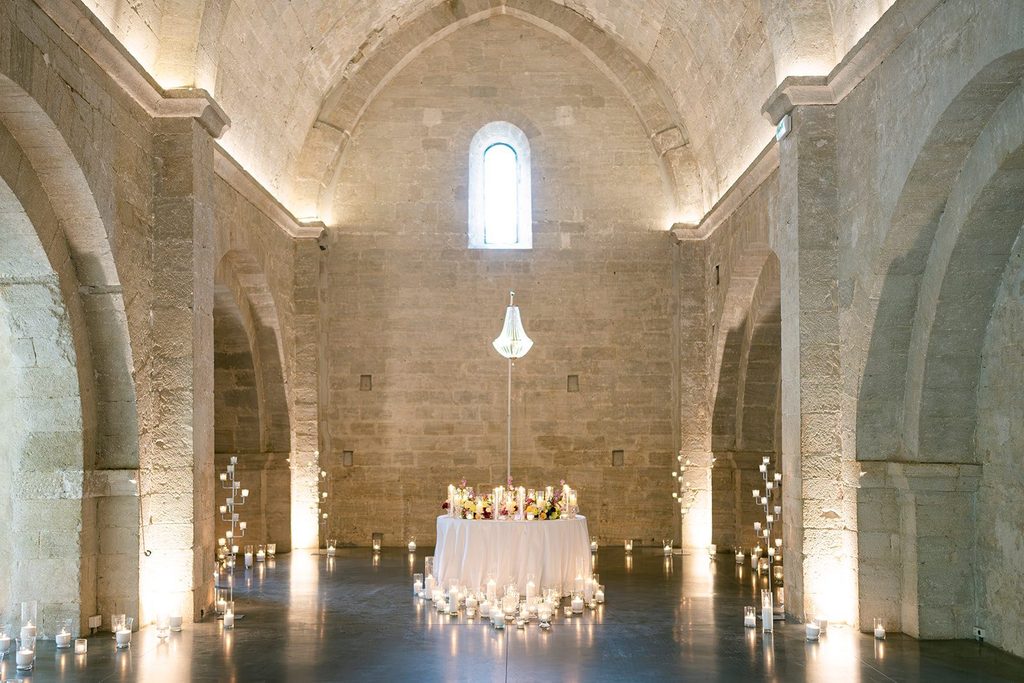
A marriage proposal in Provence is one evening, in a country you don’t live in, in a language you don’t speak — and it has to be right. Here’s how a bespoke proposal comes together: the private locations, the invisible photographer, the difference between a planning fee and a production budget, and the places across Provence and the French Riviera where we quietly make it happen.
You’ve already decided. That part is done. What’s left is the part nobody warns you about: arranging a marriage proposal in Provence from four thousand miles away, in a language you don’t speak, without her seeing a single email. Above all, it has to feel effortless — even though, behind the scenes, it is anything but.
That gap, between how simple the moment should feel and how much it actually takes, is the whole reason this service exists. In fact, I’ve come to believe the most meaningful proposals are the ones that look the most natural. And naturally, those are the hardest to arrange.
So let me walk you through how a bespoke proposal actually comes together.
Why a Marriage Proposal in Provence (or on the French Riviera)
There’s a reason couples cross an ocean for this. Provence, specifically, offers something a hometown restaurant never will: a sense of occasion written into the landscape itself. The light goes gold in the late afternoon. The hilltop villages empty out at the right hour. Moreover, the whole region feels designed for a moment that matters.
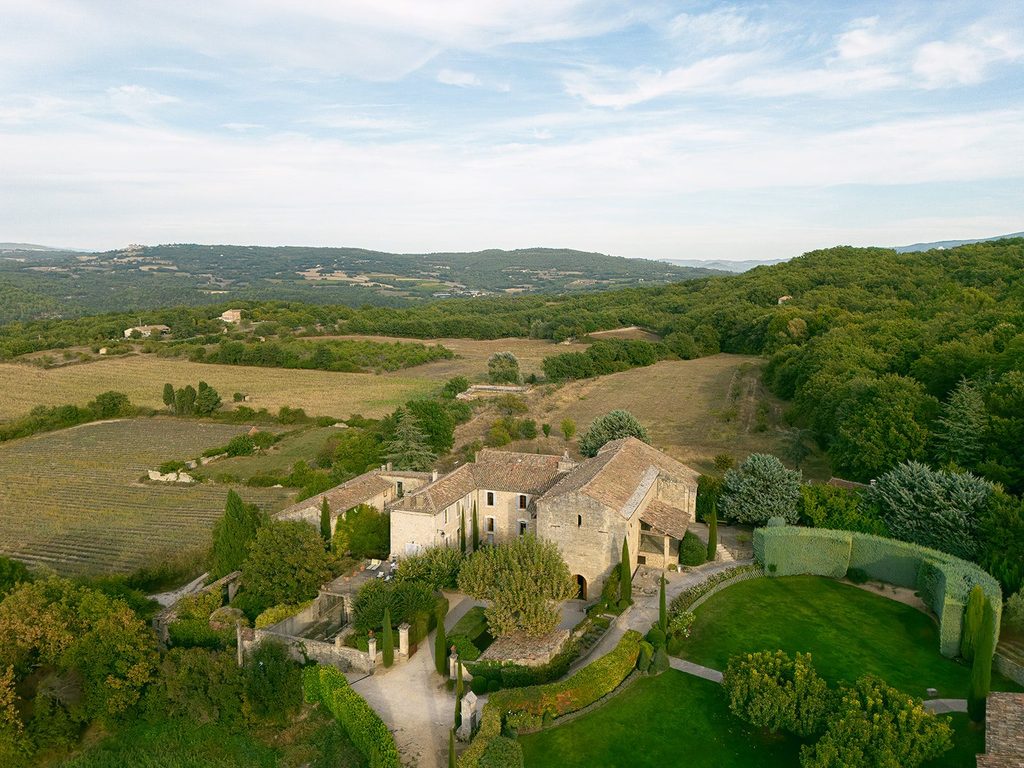
The French Riviera, meanwhile, brings a different register — the sea, the terraces above the water, a glamour that still feels private when you know where to go. Therefore, choosing between the two is really a choice about her: the quiet of a Luberon courtyard, or the drama of a Riviera terrace at dusk.
Both work beautifully for a marriage proposal in Provence or along the coast. Importantly, neither works by accident.
What a Bespoke Marriage Proposal in Provence Includes
A bespoke proposal is not a photographer and a bouquet. It’s an evening, built to the minute. Specifically, here is what I take care of, so you don’t have to:
- The location — sourced, visited, and secured, including private access where it’s needed
- The photographer — briefed, positioned, and invisible; you’ll have the images before dinner is over
- The design — florals, candlelight, and the setting itself, built for the place rather than dropped into it
- Dinner — a table held afterwards, at a restaurant that will actually be good, the staff quietly briefed
- Transport — a car and driver for the evening, so you’re never checking a map
- The cover story — the reason for the walk at seven, and the reason she needs the good dress
- A run of show — timed to the minute, in your hands the week before
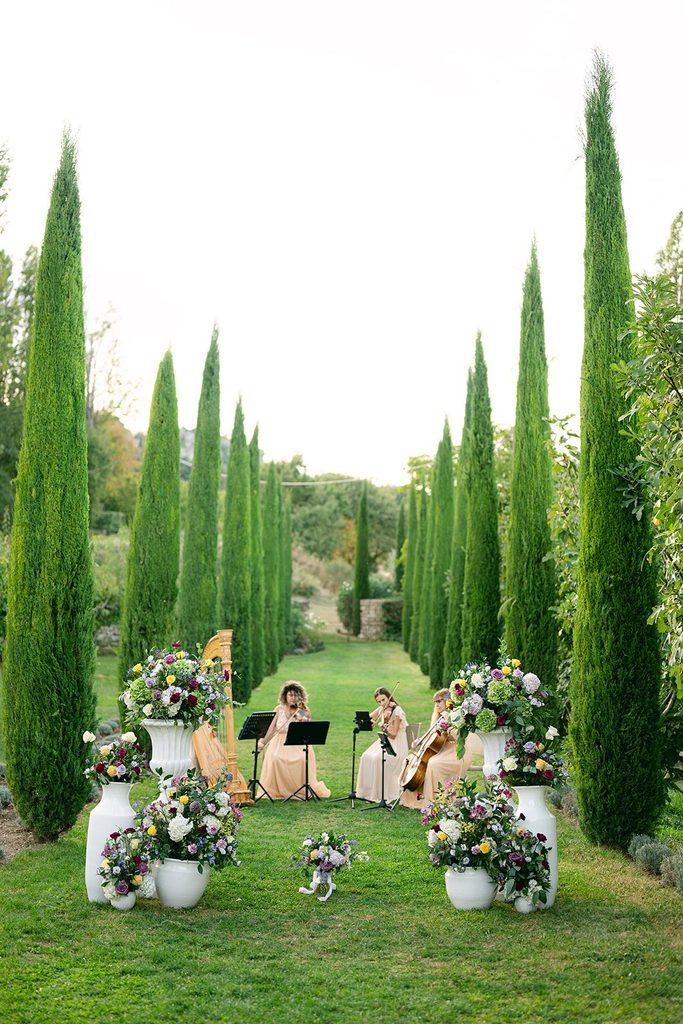
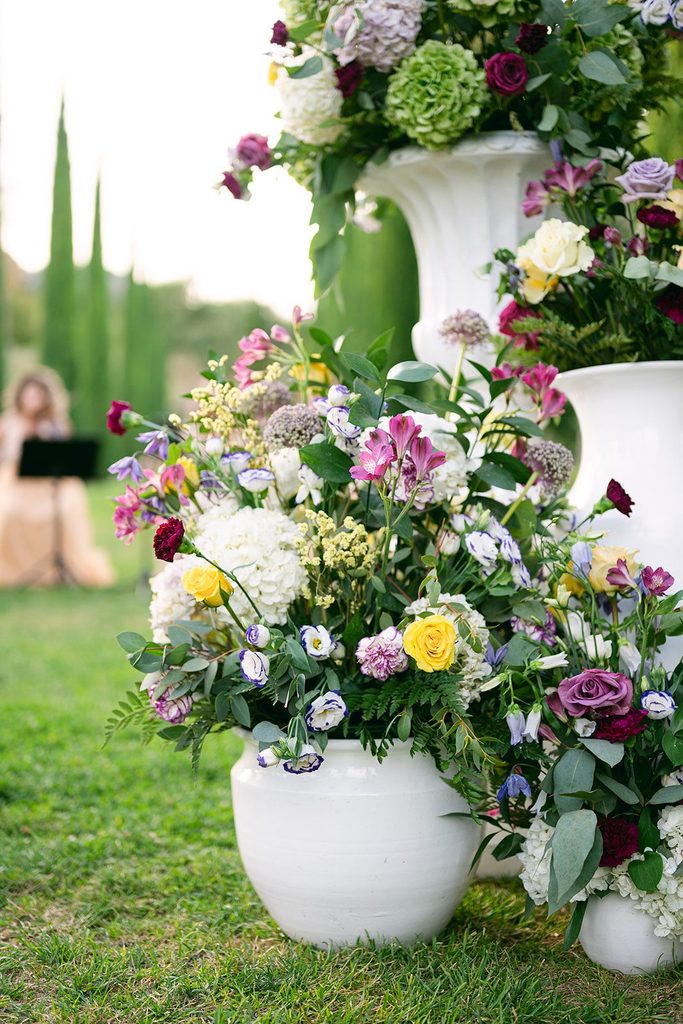
Essentially, she knows nothing. You know everything. That’s the arrangement.
The Cost of a Marriage Proposal in Provence: Fees vs. Production
Here’s the distinction that matters most, and the one couples most often misunderstand. There are two separate numbers, and they are not the same thing.
First, there’s the planning fee — my honorarium. This is what you pay me to design the evening, source and secure the location, brief every supplier, and be on the ground on the day. It’s a flat fee. Notably, it doesn’t move with what you spend, which means my recommendations don’t either.
Then, separately, there’s the production budget. This is everything the evening is built from: the florals, the photography, the videography, the music, the dining, the transport. Consequently, this sits on top of the planning fee, quoted transparently, line by line.
In other words: one number is for the planning, the other is for everything that gets produced. I’ll always show you both clearly, so there’s never a surprise. For the specific figures, that’s a conversation we have privately — because every proposal is built differently.
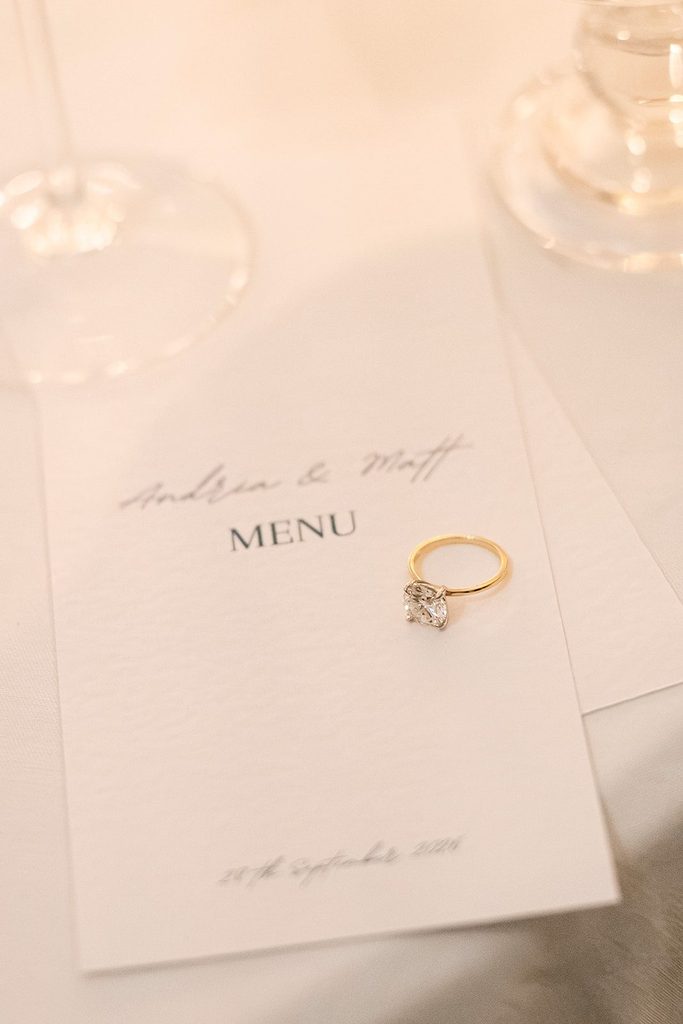
Where to Plan a Marriage Proposal in Provence and on the Riviera
This is where years of working in these two regions actually shows. Some locations are public places we know how to use at the right hour. Others are private, and open to us because we’ve worked in them for years.
In Provence and the Luberon, I think of the Abbaye Saint-Eusèbe near Saignon — a cloister garden with nobody in it but the two of you, where I recently planned a proposal from start to finish. I think of La Coquillade, with its vineyard light at the end of the day. And I think of Airelles Gordes, perched above one of the most photographed villages in France.
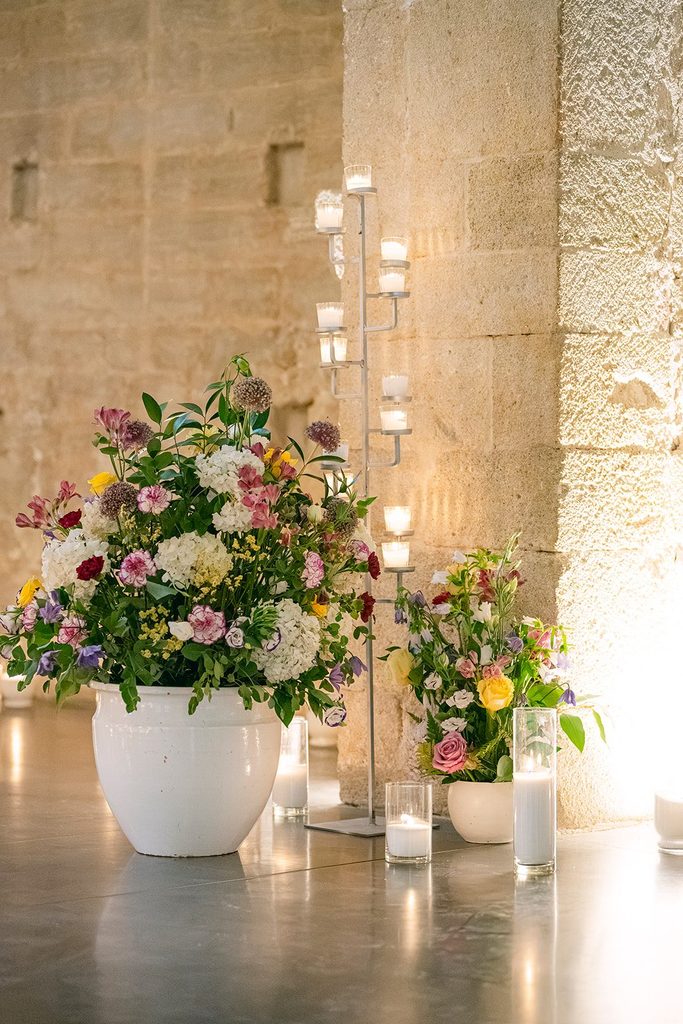
On the French Riviera, there’s La Chèvre d’Or in Èze, a terrace above the water that stops people mid-sentence. There’s La Messardière above Saint-Tropez, with the bay below. And there’s the Grand-Hôtel du Cap-Ferrat, where the gardens meet the sea and discretion is simply how things are done.
Some of these are public; some we open through relationships built over years. I’ll always tell you honestly which is which. For a wider view, here are our favourite wedding locations in the South of France.
How We Keep Your Proposal a Secret
Discretion isn’t a feature here — it’s the foundation. I correspond only at the address and number you give me, never a shared one. Nothing goes to a joint calendar. Suppliers are briefed on the date and the location, never on the surprise. And no image is ever published without your written permission, before or after.
If she’s the sort of person who checks a bank statement, tell me. I’ve worked around that before.
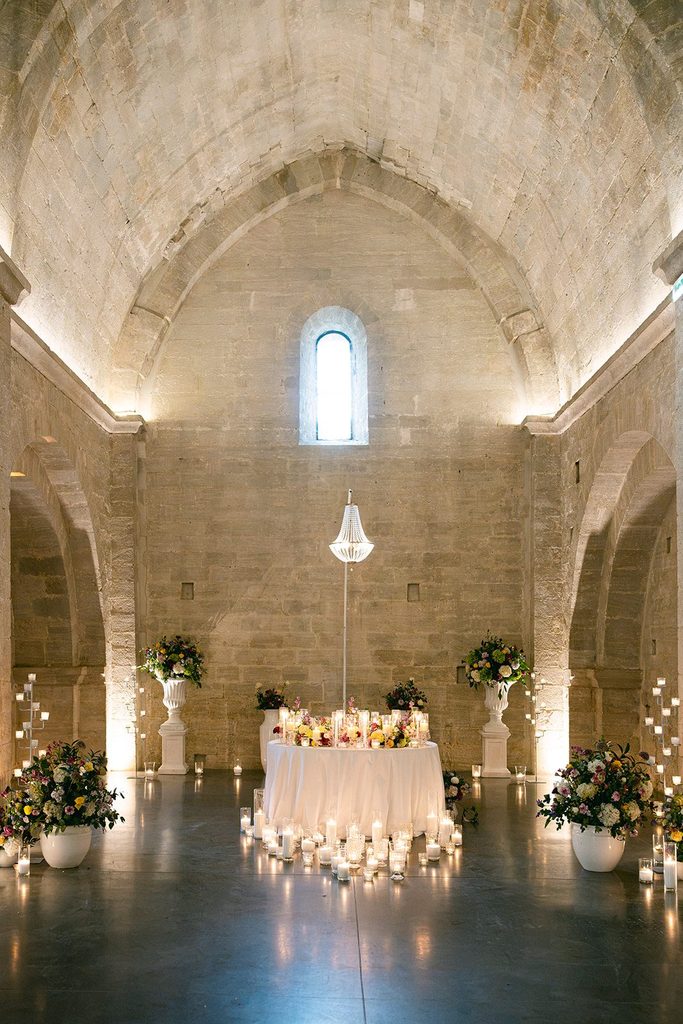
When to Start Planning a Marriage Proposal in Provence
Three to four months is comfortable. It gives us time to secure a private location, hold the right photographer, and build the evening rather than assemble it. Six to eight weeks is workable for most places. And under a month — ask anyway. Sometimes the answer is yes.
Already thinking further ahead? Here’s how we plan a multi-day wedding in Provence.
Marriage Proposal in Provence: Frequently Asked Questions
How much does a marriage proposal in Provence cost?
There are two parts: a planning fee for the design and coordination, and a production budget for everything the evening is built from — florals, photography, dining, transport. I quote both transparently and privately, because every proposal is different.
Can we get engaged at a château in Provence?
Yes — though most châteaux aren’t open to the public, and several will only open for someone they already work with. Planning weddings in these venues year-round is generally how the door opens.
Will the photographer be visible during the proposal?
No. They’re positioned before you arrive, work at distance with a long lens, and only step forward afterwards — and then only if you’d like portraits. Most couples do, once the shaking stops.
What if she says she wants no fuss?
Then we plan something small and exact rather than large and grand: one place that means something, an hour of good light, and nobody else there. Restraint is harder to arrange than spectacle, and I prefer it.
Do you plan proposals outside Provence and the Riviera?
No. These two regions are the only places I work, and knowing them properly is the reason I can do this well.
Tell me about her
A marriage proposal in Provence begins with one conversation — fifteen minutes, whenever suits your time zone. No obligation, and nothing goes anywhere she can see it.
Wed’Love — Provence and the French Riviera only. Eight weddings a year.
Photography: Nicolas Hernandez · Proposal planning & design: Wed’Love

I'm Anaïs, Elite and Destination Wedding Planner, founder of Wed'Love, based in the heart of picturesque Provence and crafting unforgettable destination weddings in the South of France.
As a millennial myself, I get it – you're all about the finer things in life, from exquisite cuisine to extravagant celebrations. Today, I've decided to specialize in working with foreign clients based in Northern Europe and the United States to create elegant and unforgettable weddings & events.
I believe in strong core values that reflect the way I will accompany you on your beautiful day, but also in the way I will engage with my partners, collaborators and my agency to organize the day of your life.
My commitment to my team is to pass on to them my passion for weddings and celebrations and to provide them with all the tools they need to carry out their mission, with the requirement of a job well done.






The Ultimate Wedding Planning Checklist

Your 18-12 Month Wedding Timeline
